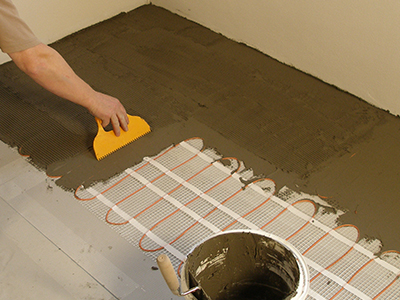
Understanding Floor Heating Systems
Floor heating systems are innovative solutions designed to provide consistent warmth throughout a space. These systems can be categorized mainly into electric and hydronic heating, each offering unique benefits suited to different environments and user preferences.
For instance, electric floor heating systems are known for their easy installation and quick response time, making them ideal for renovations. In contrast, hydronic systems utilize heated water circulated through pipes, which can be more energy-efficient in larger spaces, providing a comfortable and even heat distribution.
Benefits of Radiant Floor Heating
Radiant floor heating offers numerous advantages over traditional heating methods. One of the primary benefits is the enhanced comfort level, as it heats the room from the ground up, eliminating cold spots and drafts commonly associated with forced-air systems.
Additionally, radiant heating can lead to lower energy bills due to its efficient heat distribution. Many users also appreciate the aesthetic appeal of having unobtrusive heating systems, as they eliminate the need for bulky radiators or vents, allowing for more flexible interior design options.
Applications of Floor Heating
Floor heating systems are versatile and can be applied in various settings, from residential homes to commercial buildings. In residential applications, they are commonly installed in bathrooms, kitchens, and living rooms, providing comfort where it is most needed.
Moreover, commercial spaces such as retail stores and offices benefit from radiant heating by maintaining a pleasant environment for customers and employees alike. The adaptability of floor heating systems makes them suitable for both new constructions and retrofitting existing buildings.
Choosing the Right Floor Heating Solution
Selecting the appropriate floor heating solution involves considering several factors, including the type of flooring, room size, and heating requirements. Homeowners should evaluate whether an electric or hydronic system aligns better with their specific needs and budget.
It's also crucial to consult with heating professionals to assess insulation levels and the overall energy efficiency of the space. This ensures that the chosen system will perform optimally, providing the desired comfort while minimizing energy consumption.
Understanding Floor Heating Systems
Floor heating systems are innovative solutions designed to provide consistent warmth throughout a space. These systems can be categorized mainly into electric and hydronic heating, each offering unique benefits suited to different environments and user preferences.
For instance, electric floor heating systems are known for their easy installation and quick response time, making them ideal for renovations. In contrast, hydronic systems utilize heated water circulated through pipes, which can be more energy-efficient in larger spaces, providing a comfortable and even heat distribution.
Benefits of Radiant Floor Heating
Radiant floor heating offers numerous advantages over traditional heating methods. One of the primary benefits is the enhanced comfort level, as it heats the room from the ground up, eliminating cold spots and drafts commonly associated with forced-air systems.
Additionally, radiant heating can lead to lower energy bills due to its efficient heat distribution. Many users also appreciate the aesthetic appeal of having unobtrusive heating systems, as they eliminate the need for bulky radiators or vents, allowing for more flexible interior design options.
Applications of Floor Heating
Floor heating systems are versatile and can be applied in various settings, from residential homes to commercial buildings. In residential applications, they are commonly installed in bathrooms, kitchens, and living rooms, providing comfort where it is most needed.
Moreover, commercial spaces such as retail stores and offices benefit from radiant heating by maintaining a pleasant environment for customers and employees alike. The adaptability of floor heating systems makes them suitable for both new constructions and retrofitting existing buildings.
Choosing the Right Floor Heating Solution
Selecting the appropriate floor heating solution involves considering several factors, including the type of flooring, room size, and heating requirements. Homeowners should evaluate whether an electric or hydronic system aligns better with their specific needs and budget.
It's also crucial to consult with heating professionals to assess insulation levels and the overall energy efficiency of the space. This ensures that the chosen system will perform optimally, providing the desired comfort while minimizing energy consumption.