Blog

Membrane Roof (EPDM or TPO/PVC) Deicing

Membrane Roofs (EPDM or TPO/PVC) – Heating them, life expectancy and options

EPDM is Ethylene Propylene Diene Monomer. EPDM roofs are singly ply membranes (one ply of roofing material, not multiple laminated layers).  Since the 1960’s EPDM roofs have been used in the United States and is a quite common roofing material for low slope roofs. Simply a rubber material – EPDM is a flexible rubber matrix that is formed from a chemical reaction when Diene is added to the Ethylene and Propylene mix.  EPDM can be reinforced or un reinforced, vulcanized or non-vulcanized (chemical process for converting rubber or related polymers into more durable materials via the addition of sulfur or other curatives or accelerators) – vulcanization on Wikipedia.

Thicknesses range from thirty mils (0.030″) to one hundred mils (0.100″). A common thickness for roofing is forty five mils (0.045″) or sixty mils (0.060″).  EPDM roofs can be adhered with adhesive, mechanically fastened, or floated(loose laid). Adhered EPDM uses water or solvent based adhesives, mechanically fastened EPDM uses fasteners, floated or loose laid is only fastened around the edges and penetrations(typically these roofs are underlayments for rock, pavers etc, something that will hold it down around the perimeter or the entire surface).

When installing multiple EPDM sections, adhesive or tape is used to seal seams.  In terms of longevity, EPDM roofs last anywhere from 12 to 25 years, depending on the mil, type, and attachment method used.

TPO/PVC Membranes are another type that can be installed over our roof deicing elements. These membranes are thermoplastic materials with no chemical crosslinking. These membranes can be repeatedly softened by heating or hardened when cooled. PVC and TPO membranes can be installed by adhering, mechanically attaching, or ballasting.  Seams are heated or chemically welded together. These membranes typically have the same life expectancy as EPDM membranes.

Heatizon ZMesh or Tuff Cable in Invizimelt or Heatsink systems can be installed under EPDM or TPO/PVC roofs easily.  ZMesh or Tuff Cable systems can be adhered to an existing membrane(if there is one) while another is attached on top. If there is a subroof below and no existing membrane and penetrations are not a concern, ZMesh can be nailed or stapled down into non-conductive surfaces, Tuff Cable heatsink or Invizimelt systems can also me nailed down to the subdeck or subroof.  Membranes are then installed on top of these systems creating a long lasting invizible heated roof surface that could extend the life of the EPDM roof allowing drainage since drainage is a large factor in the life expectancy of membrane roofs. See more about our roof deicing solutions here

The image on the right is ZMesh installed under a TPO membrane for deicing and drainage
green radiant heat products leed

Heatizon Contributes to LEED Credits with Green Radiant Products

Going green isn’t the wave of the future….it has become a prime focus of today’s building practices. And at Heatizon Systems, we’ve designed radiant heating products that support green concepts, like sustainability, use of fewer natural resources, and energy-efficiency. So, while you enjoy comfortable, radiant heat and lower home maintenance costs, Heatizon will help you protect the environment.

If designing, building working and living in green buildings is important to you, Heatizon Systems radiant heating products are a perfect solution.

Seven Shades of Green

  1. Heatizon Products use electric energy—a quickly growing and renewable energy resource.
  2. Heatizon Products are 100% energy efficient, and consume less energy than conventional heating systems, so they lower energy demands.
  3. People are more comfortable at a lower ambient air temperature when Heatizon Products are in use. This means you can maintain the same level of comfort with a lower thermostat setting, saving energy and money.
  4. Heatizon uses zone heating, which means you can heat only the rooms you use, and turn it off in the rooms you don’t. Zone heating can produce energy savings of more than 20% compared to heating both occupied and unoccupied areas of your house.
  5. Heatizon Products produce zero emissions at the source—no odor, fumes, smoke, exhaust, or noise.
  6. Heatizon Products have solid state design, so parts don’t wear out. That means they have years of life, and don’t need replacement.
  7. Heatizon Products are made predominately of recyclable materials.


How does Heatizon fit into a LEED Project?

Heatizon Products that can benefit a LEED score are categorized as follows:

  • Low Voltage Electric Floor Warming
  • Low Voltage Electric Space Heating
  • High Voltage Electric Floor Warming
  • High Voltage Electric Space Heating

Snow Melting applications are not considered a “Green” technology but rather for safety, convenience, sustainability of materials for parking, driveway, walkway, and road applications.

Can products be LEED certified?

The intent of the LEED standard is to provide design guidelines and a third-party certification tool for green building. Products cannot be LEED certified; only buildings can be. However, many products can contribute to a project’s overall LEED score.

Can products help a project earn LEED points and credits?

Yes. While points or credits are not awarded specifically for using a particular product, many products offer features that can be factored into a project’s point and credit calculations. Such calculations can be based on qualities that relate to the criteria encompassed by the LEED rating system.

So how does a Heatizon System contribute to a LEED Rating?

There are many factors associated with different applications, they are broken down as follows:

  • New Construction or Major Renovations
  • Existing Buildings
  • Commercial Interiors
  • Core & Shell
  • Schools
  • Retail
  • Healthcare
  • Homes
  • Neighborhood Development

For all Major Applications:

Several Categories are covered. In order to see if a Heatizon System will benefit the energy performance category a simulation will be done for the building energy consumption, this works in correlation with a heat loss calculation, efficiency etc. Green Power is introduced as an option when choosing utility usage, where will the power come from? Are there any choices or contracts to sign for the use of renewable energy such as hydro power or wind power generation.

Healthcare: “Green hospitals seek to reduce use of and exposure to toxic chemicals and provide healthier environments.” – Adele Houghton, Project Manager, Green Guide for Health Care. “By employing green practices, whether incrementally or from the ground up, many hospitals are managing to lower energy bills, reduce waste and achieve healthier indoor air quality.”

“Patients in green hospitals have greater emotional well-being, require less pain medication and other drugs, and have shorter hospital stays” – Rick Fedrizzi, President, CEO & Founding Chair, US Green Building Council. 

It is also dully noted that studies have shown dramatic increases in the health, happiness, and productivity of people who live and work in green buildings. Providing safe and comfortable work places in high stress environments is vital to the health of the employees and patients and increases staff effectiveness and satisfaction, greatly reducing errors contributing to the quality of patient care. – Press Release http://www.gghc.org – The Green Guide for Health Care.

Heatizon radiant products can help earn LEED points in the following categories:

Energy & Atmosphere

  • EA Prerequisite 2 – contribute to acceptable minimum levels of energy efficiency
    • Optimize Energy Performance – EA Credit 1: 1-10pts 

Material Resources

  • Construction Waste Management – Heatizon Products are specifically designed to project specifications to minimize waste
  • Local & Regional Materials – Using Heatizon for Projects within 500 miles of the production facility or regional distributors can contribute to points
    • MR Credit 5.1: 1 Point, MR Credit 5.2: 1 Point

Indoor Environmental Quality

  • Minimum IAQ Performance – Heatizon elements generate low levels of heat without moving air or disturbing airborne particulates.
    • EQ Prerequisite 1
  • Thermal Comfort – zoned, controlled heat requirements
    • EQ Credit 7.1: 1 point
  • Construction IAQ Management Plan – no harmful chemicals or special handling of materials required
    • During Construction – EQ Credit 3.1: 1 point
    • Before Occupancy – EQ Credit 3.2: 1 point

Innovation & Design Process

  • ID Credit 1: 1-4 points

Power Plant Supply

Power Plant Supply Co meeting customer needs for more than 25 years – ALBERTA – Serving Alberta, British Columbia and all of Western Canada

6 Renault Crescent Unit 210
St. Albert, Alberta T8N 4B8
780-458-6433
http://www.powerplantsupplyco.com/

Power Plant Supply Co meeting customer needs for more than 25 years – ONTARIO – Serving Ontario & Quebec Canada

140 Midwest Rd Unit 12
Toronto, Ontario M1M 3B3
416-752-3339
http://www.powerplantsupplyco.com/

Warmquest

UTAH/COLORADO – Nationwide Sales & Serving Utah, Colorado & The Mountain West

4137 South 500 West
Murray, Utah 84123
877-877-4724
warmquest.com

Warmquest’s Online Store:
radiantshop.com

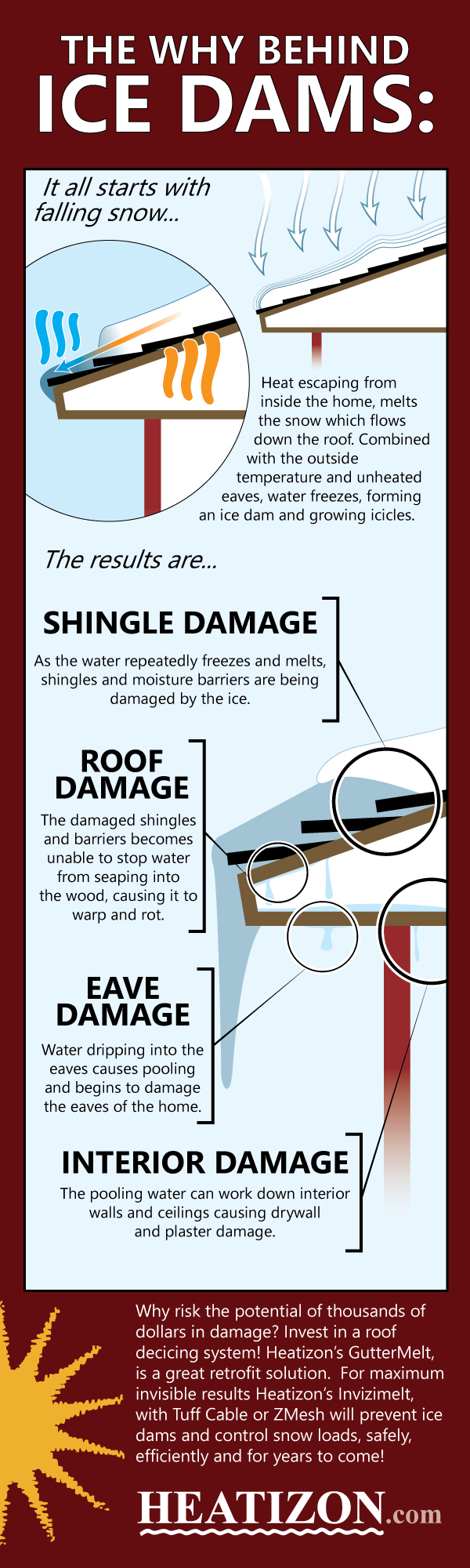
The WHY of ICE DAMS…

Icicles can be cool to look at and even slightly therapeutic to break off your gutters/eaves.  But do you know they are causing damage to your home? Icicles and accompanying ice dams could be causing thousands of dollars of damage to your home. Heatizon has created this infographic to explain “The WHY of Ice Dams.”

Heatizon.com ice dam prevention
Don’t suffer from ice dams anymore!

Check out Heatizon’s Ice Dam solutions.